Shape Changing Wings in Flight
Birds achieve extraordinary flight performance through continuous wing shape changes.
Morphing Flight
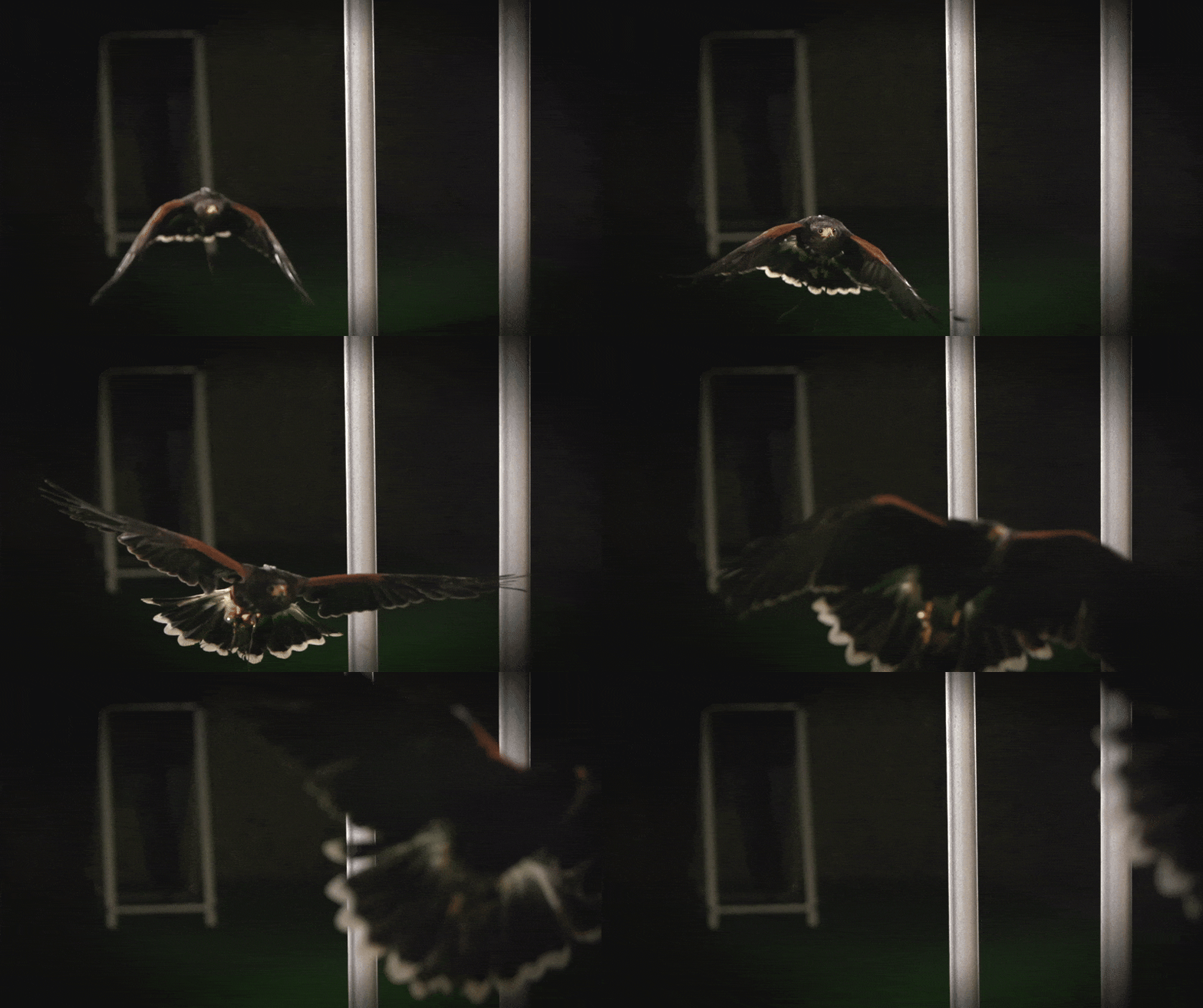
In this slowed down video, the hawk uses many adjustments to her wings and tail to dodge the obstacle. Bending, flexing, folding and unfolding, these shape changes are called morphing flight.
Adaptive, Reactive
Morphing flight gives birds extraordinary control. By adjusting their shape as they fly, birds precisely change their stability, lift, and drag continuously. Birds have evolved to fly through dense forest branches, execute sharp turns that no fighter jet can manage, and land on a perch no wider than your thumb. Meanwhile, our aircraft need long runways, can’t handle sudden wind gusts, and can’t stop in midair.
Mystery of Shape-Shifting Flight
We still don’t understand how morphing flight is controlled. We would like to learn from birds: how they control such super-manoeuvrability. Which shape changes are critical in flight? How do birds control so many coordinated movements all at once? It is no easy task, even recording wings in flight accurately is difficult as bird flight is high speed.
Traditional Aircraft
- Fixed wing shapes
- Simple control surfaces
- Limited manoeuvrability
- Struggle with turbulence
Birds
- Continuously changing wing shapes
- Flexible control surfaces
- Extraordinary manoeuvrability
- Thrive in complex wind conditions
High Speed Motion Capture
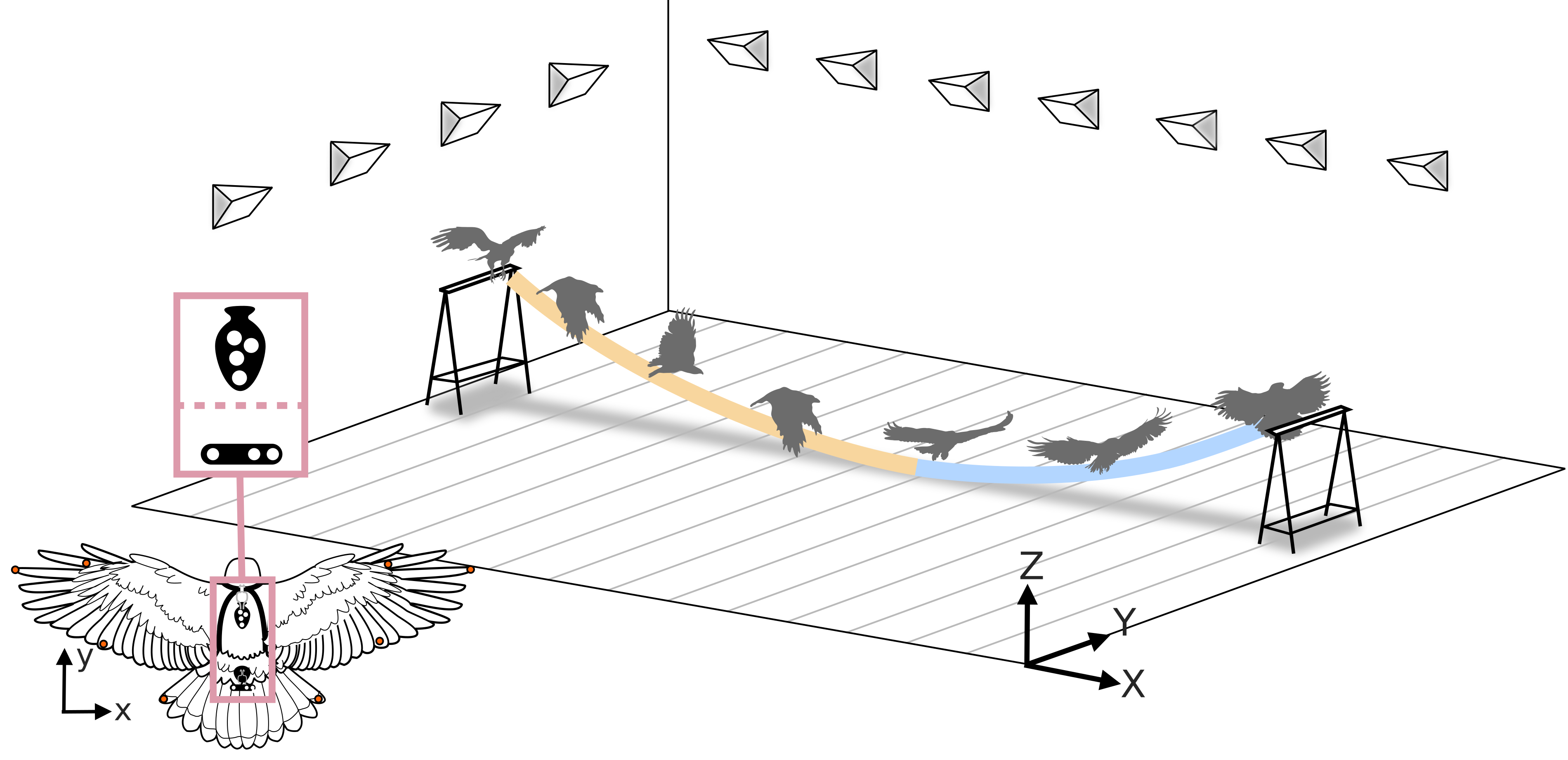
To uncover how morphing flight works, we filmed 5 Harris’ hawks in a specially built motion capture lab. Twenty cameras recorded tiny markers on the feathers in a large flight hall. We gave the hawks perches to land on and obstacles to navigate. Looking at 2000 flights, we looked into the shape changes critical to bird flight.
Read on about the hidden patterns of bird flight.